
Admin
August 18, 2026
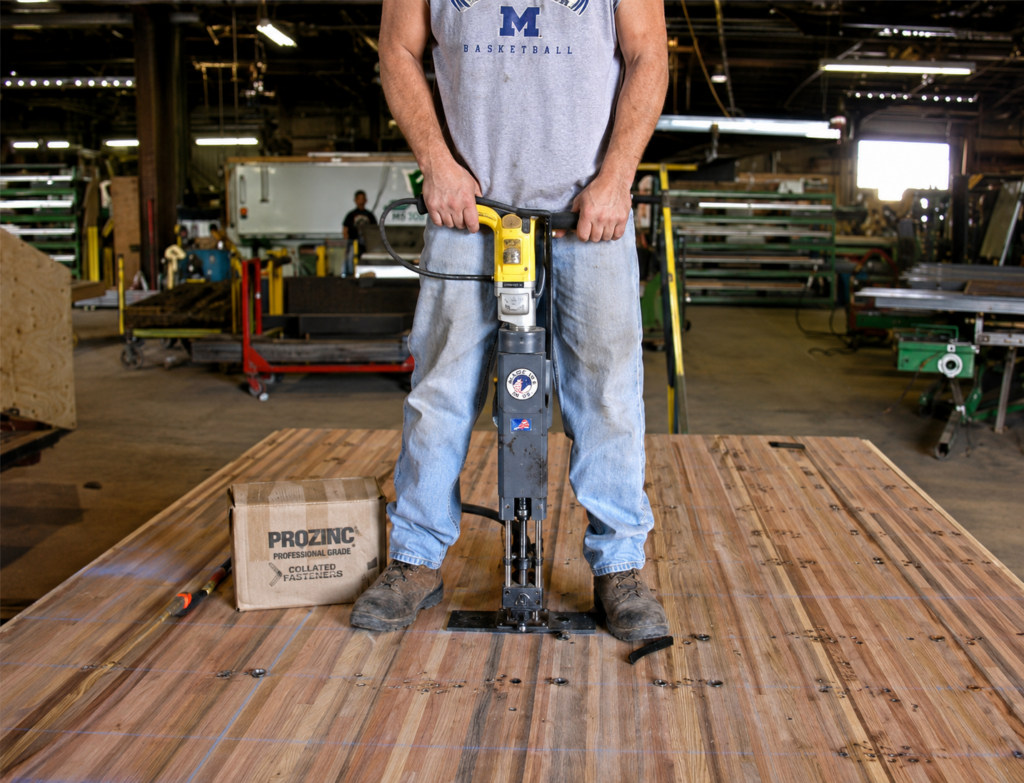
Method Overview
Weld-down attachment joins the steel deck to the supporting structure using specified welds. Its performance depends on factors such as surface condition, weld size, equipment setup, and operator technique. A screw-down or mechanical steel deck attachment uses engineered fasteners installed with a compatible tool. A pneumatic fastening system uses compressed air to drive specified fasteners into the supporting steel. Neither method is suitable for every project. The construction documents, applicable evaluation reports, and connection design should determine which options are permitted.Comparing Inspection Requirements
Weld inspections may evaluate weld size, location, spacing, fusion, burn-through, and other visible conditions. Inconsistent technique or contaminated surfaces can trigger corrective work and reinspection. Mechanical attachments are also subject to inspection. Inspectors may confirm fastener type, quantity, spacing, placement, and engagement with the supporting member. A matched tool-and-fastener system can make the installation process more standardized. However, consistent results still depend on correct tool setup, substrate conditions, operator training, and compliance with the specified installation procedure.Comparing Long-Term Performance Documentation
Long-term performance should be evaluated through project-specific technical documentation rather than broad assumptions about either method. For welded connections, teams may review the welding procedure, deck and substrate properties, inspection requirements, and applicable design standards. For mechanical connections, they may review fastener data, substrate limitations, spacing requirements, load values, corrosion considerations, and applicable evaluation reports. Warranty provisions vary among deck, roof-assembly, and building-system providers. Project teams should obtain written confirmation from the relevant provider before assuming that either attachment method affects coverage.Comparing Labor and Weather Dependency
Welding usually requires qualified personnel, suitable equipment, power access, and coordination around hot-work procedures. Wind, moisture, surface contamination, and temperature can also affect whether welding should proceed. A steel deck fastening system may allow trained deck crews to complete approved connections without waiting for welding resources. Mechanical fastening remains subject to manufacturer instructions and jobsite conditions, but it avoids the electric arc used in welding. For a meaningful steel deck build-timeline comparison, teams should consider crew availability, inspection sequencing, equipment access, and likely interruptions, not installation rate alone.Comparing the Safety Profile
Weld-down attachment can require hot-work permits, fire-prevention measures, personal protective equipment, ventilation, and fire-watch procedures. Pneumatic fastening does not use an open flame or explosive powder charge. This can reduce controls associated specifically with welding and powder-actuated tools. It does not remove the need for training, fall protection, equipment inspection, hearing protection, or other site safety requirements. These characteristics make pneumatic attachment one of the weld-free construction methods worth evaluating where the engineered design permits it.Which Approach Fits Which Project?
Weld-down attachment may suit projects where welding is already specified, qualified welders are readily available, and field conditions support consistent execution. Mechanical fastening may be appropriate when teams need an alternative to weld-down decking, want to reduce hot-work coordination, or require a more standardized installation process. The final choice should consider:- Engineered connection requirements
- Applicable codes and evaluation reports
- Inspection stringency
- Crew qualifications and availability
- Weather and site conditions
- Construction schedule
- Required technical documentation
| Consideration | Weld-down attachment | Screw-down attachment |
|---|---|---|
| Installation | Field welding | Engineered fasteners |
| Inspection focus | Weld quality and placement | Fastener type, spacing, and engagement |
| Labor | Qualified welding personnel | Trained fastening-tool operators |
| Safety controls | Hot-work controls commonly apply | No welding arc or powder charge |
| Documentation | Weld procedures and design criteria | Fastener data and evaluation reports |