

Admin
September 25, 2026
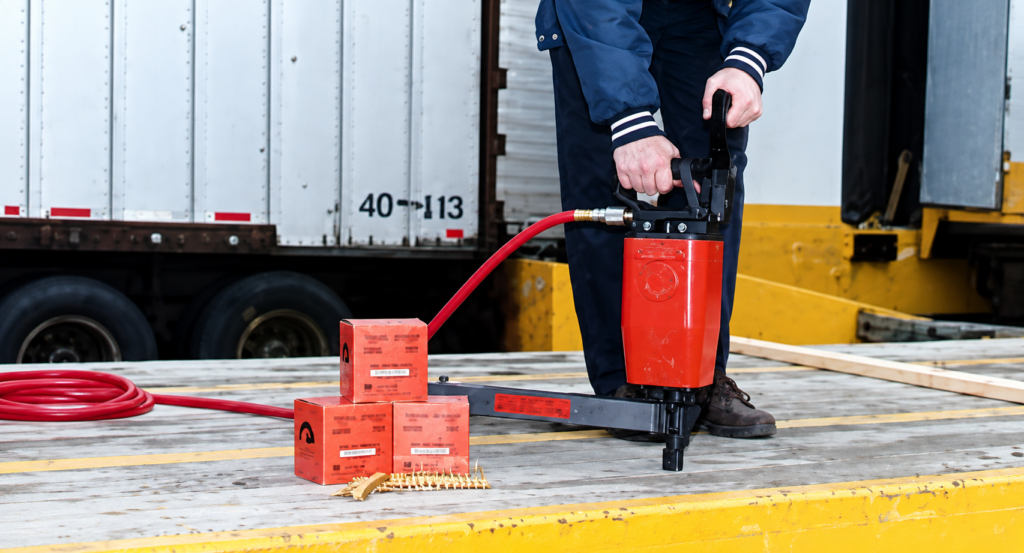
Standardized fastening specifications give modular builders a consistent reference for purchasing, installation, and inspection. They define the approved fastener, compatible tool, connection details, and quality checks for a particular application.
That consistency helps teams repeat suitable details across projects. Each specification must also identify its limits and the changes that require engineering review.
People Also Ask
Does standardizing fastening specifications mean using one fastener everywhere?
No. A builder can maintain several approved specifications for different assemblies. Each should define where its fastener and installation method apply.
Can standardizing fastening specifications reduce project delays?
It can reduce time spent resolving inconsistent part numbers, instructions, or substitution requests. Results depend on correct specifications, material availability, and consistent implementation.
How Offsite Construction Trends Affect Fastening Decisions
Planning for modular construction market growth requires attention to repeatability and production capacity. If prefab building demand increases, inconsistent fastening details can make additional orders harder to coordinate.
Fastening decisions affect material lists, tool assignments, work instructions, and inspection records. When similar assemblies receive different attachment details, teams must manage the additional variations.
Standardizing suitable details gives these teams a common reference. It also creates a process to review necessary exceptions before work begins.
Why the Factory Setting Matters
In modular vs. site-built construction, one key difference is where assembly happens. Modular production completes portions of a building off-site before transportation and installation.
Repeated workstations can support shared tooling, labeled materials, and consistent instructions. They also make an unclear specification easy to repeat across multiple units.
Consider a hypothetical production run with identical steel deck assemblies assigned two different fastener descriptions. Purchasing may order both, while production must confirm which applies.
One controlled specification resolves that ambiguity when both assemblies have the same approved requirements. Its value comes from connecting the design decision to the work performed.
What Standardized Fastening Specifications Should Cover
Standardized fastening specifications should connect engineering details with purchasing information and production instructions. Each document should use matching identifiers and the current approved revision.
| Specification Element | Information to Define |
|---|---|
| Connection scope | Materials, thicknesses, supporting member details, and the application covered |
| Fastener and tooling | Exact fastener identification, compatible tool, and applicable installation instructions |
| Attachment layout | Approved fastening pattern, spacing, and connection details |
| Inspection requirements | Acceptance criteria, inspection stages, and required records |
| Change control | Substitution review, revision tracking, and responsibility for approving changes |
A specification should remain accessible where decisions happen. Purchasing needs clear part identification. Operators need current instructions. Inspectors need the corresponding acceptance criteria.
When a problem appears, consistent records help teams identify the affected assemblies and determine what needs review.
How Shared Specifications Support Purchasing and Training
Procurement teams can group requirements around approved fasteners and compatible equipment. This can simplify material planning when several projects use the same connection details.
Clear substitution procedures also help purchasing teams respond to availability changes. A similar-looking fastener should enter the review process before being introduced into production.
For operators, recurring tooling and instructions provide a consistent training basis. Operators still need to communicate changes, especially when a new project introduces different materials or attachment requirements.
These benefits depend on maintaining the specification. An outdated document can repeat an error just as readily as a correct document supports consistent work.
Which Details Must Remain Project-Specific?
Standardization applies within defined conditions. Changes in substrate thickness, loading, exposure, or connection geometry may require a revised attachment design.
Factory-installed deck attachments also differ from connections joining modules on site. Approval for one application does not establish suitability for the other.
The structural designer should assess relevant fabrication, transport, lifting, and final building conditions. A repeat project still needs confirmation that the selected detail applies.
Selecting Fastening Systems for Off-Site Construction
Evaluating modular construction fastening systems starts with the materials and connection requirements. Pneumatic fastening solutions for modular buildings may suit steel deck attachments where the assembly design permits the method.
Pneutek® Inc. manufactures pneumatic fastening tools for steel and concrete applications. Compare the proposed attachment details with the Pneutek® Inc. product range when evaluating compatible options.
For broader selection and planning considerations, read the Pneutek® Inc. Pneumatic Fastening Systems guide.
Request technical documentation and engineering submittals directly from Pneutek® Inc. before confirming a specification. Authorized distributors handle product sales, product usage training, and on-site support.
Frequently Asked Questions
What information helps evaluate pneumatic fastening options?
Provide the materials, thicknesses, connection drawings, expected installation conditions, and relevant project requirements. This helps identify applicable technical documentation and questions needing engineering review.
Does Pneutek® Inc. provide product training directly?
Authorized distributors handle product usage training and on-site support. Pneutek® Inc. provides technical documentation and engineering submittals directly.